Inside the November Link Fire Sale: Full Price vs. Discount, 90 Days Later
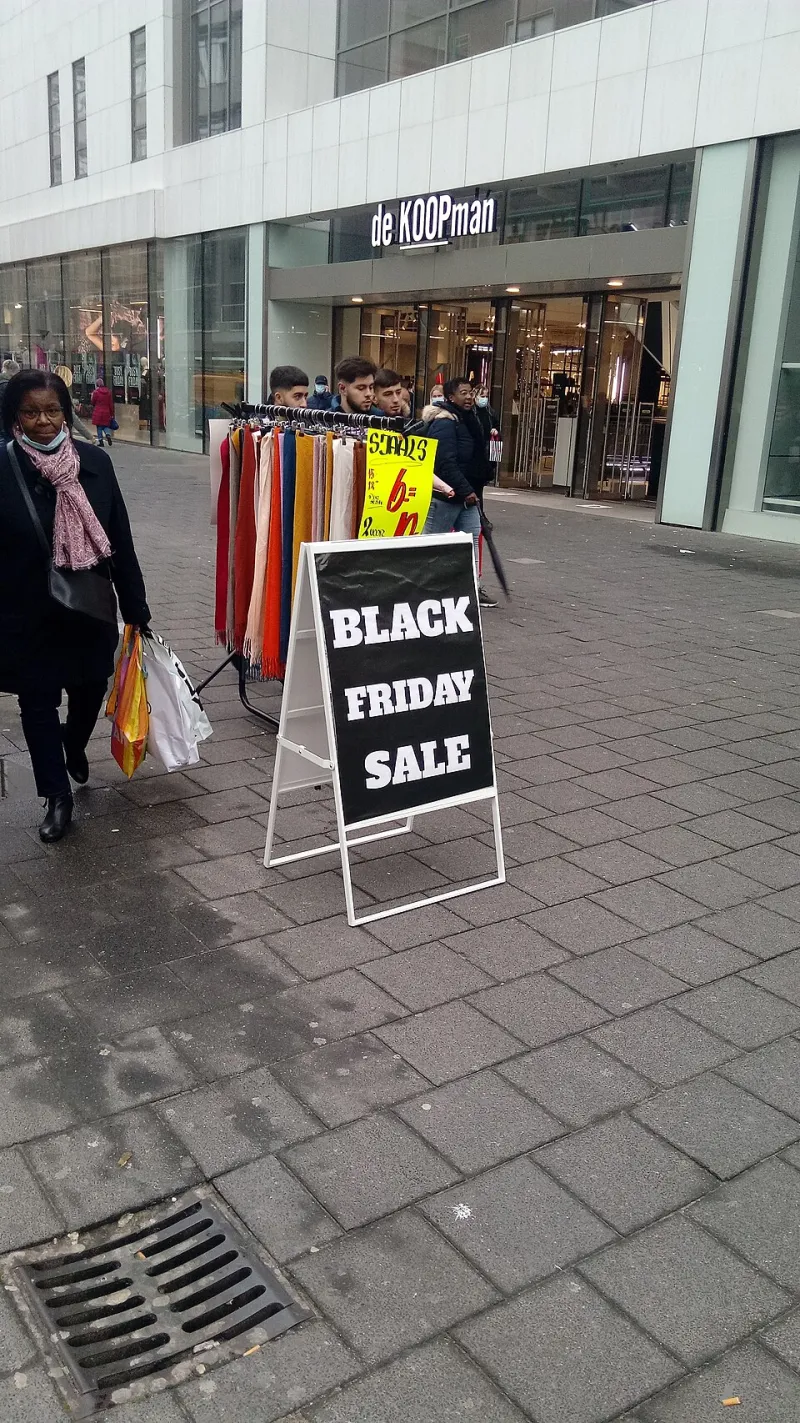
Photo: Donald Trung Quoc Don (Chữ Hán: 徵國單) - Wikimedia Commons - © CC BY-SA 4.0 International.(Want to use this image?)Original publication 📤: --Donald Trung 『徵國單』 (No Fake News 💬) (WikiProject Numismatics 💴) (Articles 📚) 08:41, 13 August 2021 (UTC), CC
November in the link world is like November at a car dealership: everyone's shouting about savings, and nobody's telling you which cars are lemons.
Marketplaces roll out their Black Friday plays every year — 50% off sitewide, BOGO placements, DR-40 links for the price of DR-20. It's tempting. It's also the season when dying domains get liquidated, because if you're going to dump a deindex-bound PBN, you do it when buyers are primed to spend.
So we ran the experiment. Same marketplace, same DR-40 slot type, two purchases: one at full price in September, one at 60% off during the November sale. Then we tracked placement quality, page longevity, and deindex rates for 90 days. Here's what a discount actually buys you.
The Full-Price Placement
The September order landed on a niche blog in the home services space. Content was human-written, the page had a handful of organic links pointing at it, and the outbound link profile was clean — maybe eight links per page, all reasonably relevant.
Ninety days later: page still indexed, link still live, and the hosting domain had published new content twice in the interim. That last detail matters more than any metric. A site that keeps publishing is a site that plans to stick around.
The Black Friday Placement
The discounted order? Same DR, same category on paper. But the red flags showed up fast.
The 'article' was AI-spun — you could tell from the repeated sentence structures and the way it name-dropped three unrelated cities. The page itself had zero backlinks. Worse, the domain's entire recent output had exploded from two posts a month to forty, all containing paid links. That's the classic pre-sale pump: inflate output, harvest orders, let the domain rot.
By day 60, the marketplace had quietly removed the domain from its inventory. By day 90, the page was deindexed. Our link was gone, along with the 'savings.'
The Verdict: Which Deals Are Real
Not every November deal is a trap. After auditing the sale events across the big marketplaces, the pattern is clear:
Real value:
- Discounts on placements from domains with consistent publishing history (check the Wayback Machine — look for steady output over years, not spikes).
- Sale pricing on niche edits into existing, indexed articles rather than new posts. Existing pages have history; new pages are disposable.
- Marketplaces that publish link replacement guarantees of at least 90 days.
Fire sales on dying domains:
- DR jumps that coincide with a recent spike in published content.
- Placements on domains with more paid links than organic ones.
- 'Unlimited' inventory on the same domain — a real site has finite real estate.
The Buyer's Checklist Before You Click 'Purchase'
- Pull the domain's publishing cadence for the last 12 months. A November content explosion is a liquidation flag.
- Check the outbound link count on the actual placement page, not the homepage.
- Verify the page is indexed the day you buy — set a calendar reminder to recheck at day 30 and day 60.
- Favor marketplaces with replacement guarantees over the cheapest line item.
- Cap your Black Friday link spend at 20% of your quarterly budget. Discounts exist to move volume; your profile doesn't need volume, it needs stability.
Bottom Line
The full-price link cost 2.5x more and delivered roughly 100% of the value. The discounted link cost 60% less and delivered zero, because dead links have no price advantage.
Sales seasons are fine for stocking up on placements from domains you've already vetted. But if a deal only makes sense because of the discount, it's not a deal — it's someone else's exit strategy. Shop like the seller is more motivated than the listing admits, because in November, they usually are.