The 2025 Link Crackdown Won't Kill Paid Links — It'll Kill Lazy Ones
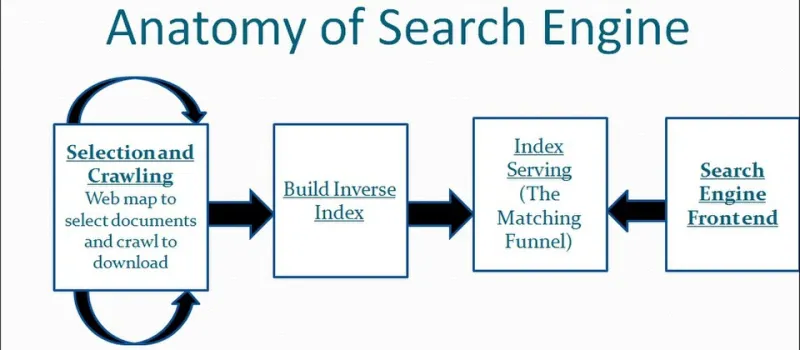
Photo: Knut Magne Risvik, Trishul Chilimbi, Henry Tan, Chris Anderson, Karthik Kalyanaraman, CC BY-SA 4.0, via Wikimedia Commons
Every time Google ships a link spam update, the same cycle plays out. Twitter — sorry, X — fills up with doom posts. Marketplace sellers slash prices 40% overnight. And somewhere, a site owner who bought 200 forum links in 2019 starts sweating through his Patagonia vest.
Take a breath. We've been through this movie before, and the ending rarely changes: Google doesn't kill link buying. It kills sloppy link buying.
What the 2025 Update Is Actually Targeting
Read between the lines of the rollout notes and the pattern is clear. This update is going after the infrastructure of link spam, not the transaction itself:
- Expired-domain networks rebuilt at scale with thin content
- AI-generated guest posts blasted across hundreds of unrelated sites
- Sitewide footer and sidebar links from hacked or abandoned sites
- Link exchanges detected through reciprocal footprints
Notice what's missing from that list? A single, editorially-placed link on a real website with real readers. Google's algorithms have gotten scary good at spotting patterns — and one-off placements on legitimate sites don't create patterns.
The Walking Dead: Link Types I'd Stop Selling Yesterday
If you're still buying or selling these in 2025, you're building on a beach at high tide:
Bulk directory submissions. Most directories are content graveyards. The handful that still carry weight — think industry associations, local chambers of commerce — were never really 'directories' in the spam sense anyway.
Automated blog comment links. These have been DOA for a decade. If someone's still charging you for them, that's not SEO, that's a donation.
Mass-produced AI guest posts. Here's the thing: Google can now fingerprint low-effort AI content at scale, and it's linking the publishing footprints together. One generic post on a real blog? Fine. Three hundred near-identical posts across 300 blogs? That's a network, and networks get flattened.
Sitewide links from hacked sites. If your link lives in a footer on a dental clinic's website alongside a casino and a pharma link, you're not buying authority — you're buying a future manual action.
What's Still Working (And Why)
The placements that survived every update since Penguin share a few traits: they're on sites with organic traffic, surrounded by relevant content, placed by someone who seemed to care. In other words, links that would exist even if Google didn't count links.
Niche edits on genuinely aged articles still pull weight. Guest posts on sites with actual editorial standards still work. Digital PR placements — the ones journalists would've written anyway — are the gold standard and always have been.
The common thread? Each link is an event, not a volume metric. Ten links that each required human judgment will outperform a thousand that required only a credit card.
The 'Punch Above Your Weight' Profile
Here's the playbook we give sellers and buyers alike. The goal isn't to look like a site that never bought a link — it's to look like a site that earned its links one at a time.
Ration the anchors. If 40% of your anchor text is your money keyword, no algorithm update is needed to spot you. Branded and naked URLs should dominate. Your exact-match anchors should be rare enough that each one feels earned.
Match link velocity to your content velocity. A site publishing twice a month shouldn't gain 30 links a week. That math doesn't fool anyone, and it especially doesn't fool a machine learning system trained on millions of natural link profiles.
Diversify the neighborhoods. Links from one niche, one network, one footprint — that's concentration risk. Spread placements across different publishers, different content formats, different geographic signals.
Keep a natural loss rate. Real link profiles decay. Links get removed, pages get deleted, sites go under. If every link you've ever bought is still live two years later, that itself is a signal.
For the Sellers: Adapt or Become the Next Case Study
Marketplace sellers, this part's for you. The vendors who thrive after every crackdown have one thing in common: they moved upmarket before they were forced to. They stopped selling links by the pound and started selling placements by the merit of the site.
That means vetting every domain for real traffic, rejecting sites with obvious footprint patterns, and being willing to tell a customer 'no' when their anchor strategy is a self-inflicted penalty waiting to happen. It's less volume and more margin, and honestly, better margins anyway.
The 2025 update will hurt. It always does. But the sellers still standing in six months won't be the ones who hid — they'll be the ones who treated every placement like it had to deserve to exist. Build links like they're supposed to be earned, and the updates become somebody else's problem.